INTRODUCTION
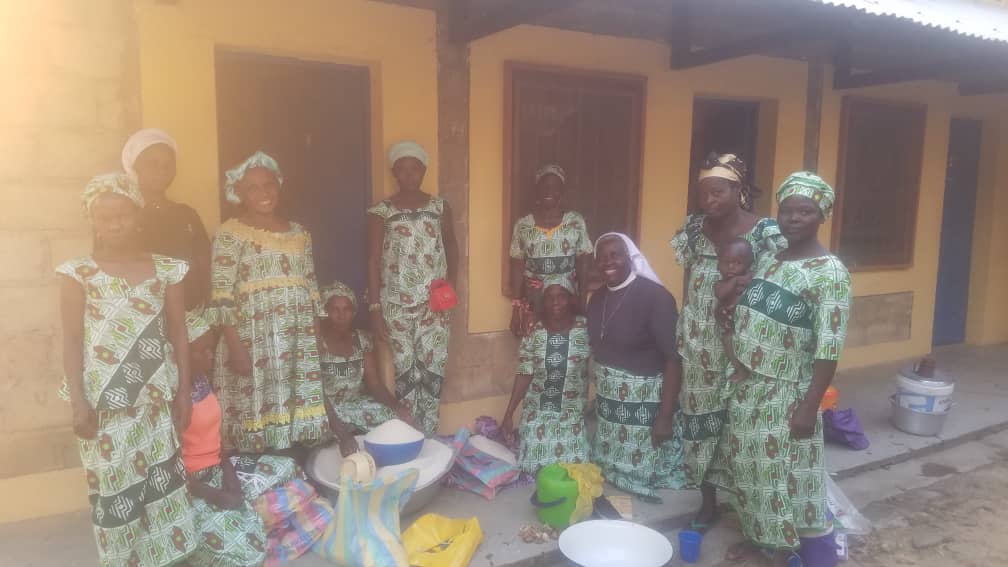
On the 21st of December 2025, Irina Project Initiative carried out a humanitarian outreach in Bouar, Central African Republic, focused on supporting elderly members of the Gbaya ethnic community. This initiative was driven by compassion and a strong commitment to standing beside vulnerable populations who continue to face food insecurity, economic hardship, and the long-term effects of instability in the region.
The outreach was more than a distribution of food and clothing. It was a demonstration of dignity, solidarity, and respect for elderly citizens who have contributed significantly to their communities yet often remain among the most vulnerable.
THE DAY’S ACTIVITIES AND DISTRIBUTION PROCESS 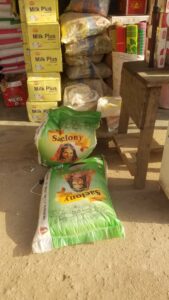
The day began early with careful preparation and coordination between the Irina Project Initiative team and local community leaders. Prior to the event, beneficiaries were identified through collaboration with community representatives to ensure that the most vulnerable elderly individuals were prioritized.
The distribution took place in an accessible central location in Bouar. Elders arrived gradually, some assisted by family members or neighbors. The atmosphere was calm, respectful, and emotionally moving.
Irina Project Initiative distributed one hundred bags of rice, along with beans and cooking oil to ensure balanced nutritional support. In addition, clothing items were provided to improve comfort and dignity. Each elderly beneficiary received food supplies designed to sustain them for a meaningful period, acknowledging the rising cost of food and limited income opportunities for older individuals.
The process was organized, transparent, and orderly. The gratitude expressed by beneficiaries reflected the importance of the support provided. Beyond physical nourishment, the outreach restored visibility and hope to elders who are highly respected but often overlooked.
HISTORICAL BACKGROUND OF THE GBAYA PEOPLE IN BOUAR
The Gbaya people are one of the largest ethnic groups in the western region of the Central African Republic, particularly in and around Bouar. Historical accounts suggest that the Gbaya migrated into the region between the sixteenth and eighteenth centuries from areas further north and west in Central Africa. Over time, they settled across western Central African Republic, eastern Cameroon, and parts of Chad.
Bouar became an important center for Gbaya settlement because of its fertile land, favorable climate, and strategic access to trade routes. Agriculture has traditionally formed the backbone of Gbaya livelihoods, with crops such as cassava, maize, and groundnuts sustaining families for generations.
The Gbaya culture is rich in oral tradition, storytelling, music, and strong kinship systems. Elders hold a particularly honored position within the community. They are regarded as custodians of wisdom, history, and moral guidance. Supporting elderly members of the Gbaya community is therefore not only a humanitarian act but also a culturally meaningful gesture that reinforces traditional values of respect and solidarity.
CONTRIBUTION TO SUSTAINABLE DEVELOPMENT GOAL 2 – ZERO HUNGER
This outreach directly contributes to Sustainable Development Goal 2, which aims to end hunger, achieve food security, improve nutrition, and promote sustainable agriculture. SDG 2 recognizes that hunger undermines health, dignity, productivity, and overall human development.
In regions facing poverty and instability, elderly individuals are particularly vulnerable to hunger due to reduced mobility, limited income, and lack of social protection. By providing one hundred bags of rice along with beans, oil, and clothing, Irina Project Initiative took practical and immediate steps to reduce hunger and support food security among the elderly population in Bouar.
Although local in scale, this intervention represents a meaningful contribution to a global effort to eliminate hunger and ensure that every individual has access to sufficient and nutritious food.
IMPACT AND CONCLUSION
The immediate impact of the outreach was evident in the relief experienced by the one hundred elderly beneficiaries. Food insecurity was temporarily reduced, and essential clothing improved comfort and personal dignity.
Beyond material assistance, the outreach strengthened trust between Irina Project Initiative and the local community. It reinforced cultural respect for elders and demonstrated the power of organized community support in addressing urgent needs.
The outreach of 21st of December 2025 in Bouar stands as a testament to Irina Project Initiative’s continued dedication to humanitarian service. It reflects the belief that compassion, when transformed into action, restores hope and strengthens communities.
Irina Project Initiative remains committed to expanding its impact and continuing its mission to fight hunger, protect dignity, and contribute meaningfully to a future free from hunger.